AVID had spent decades helping underrepresented students become college-ready. When COVID cancelled its flagship event, everything was at risk at once.
The Real Problem
Summer Institute drew thousands of educators and students every year. It was AVID’s primary revenue engine, its community gathering, and its most powerful proof of mission. When it was cancelled, the revenue had to come from sponsorships, partnerships, and government funding, all of which required demonstrating reach, engagement, and impact. Losing the event didn’t just cost the gathering—it cost the proof.
But the deeper problem was a question of identity. AVID had always described itself as a nonprofit. That framing served the organization internally, but it said nothing about what it stood for. At a moment when the mission mattered more than ever, “nonprofit” was the wrong word.
The work ahead wasn’t just to move a conference online. It was to reposition the organization around its mission, transform its infrastructure to be digital-friendly, and do both on a timeline that didn’t allow for deliberation.
The Creative Decision That Changed Everything
The repositioning from nonprofit to mission-driven organization wasn’t a tagline exercise. It changed how AVID talked about itself across every channel simultaneously—to funders, to educators, to partners, to the public. The campaigns, the book, the virtual conference, the landing pages: none of them were separate projects. They were all expressions of the same repositioned narrative, designed to make the mission legible at the exact moment everything depended on it.
AVIDCon, the virtual conference, required every element to carry more weight than it would in a room. There’s no ambient energy in a virtual event, no hallway conversation, no sense of shared presence to fall back on. Everything had to be designed.
We coordinated pre-recorded videos, live sessions, interviews with key education leaders, group sessions, polls, and interstitials, all calibrated to create momentum and maintain attention across a full conference experience. One of those interviews was with Brand Leake, a spoken word poet who had just won America’s Got Talent. He was also an AVID graduate. The program had helped him get into college. He came back to speak to the educators who do that work every day. That moment didn't need design. It just needed to be there.
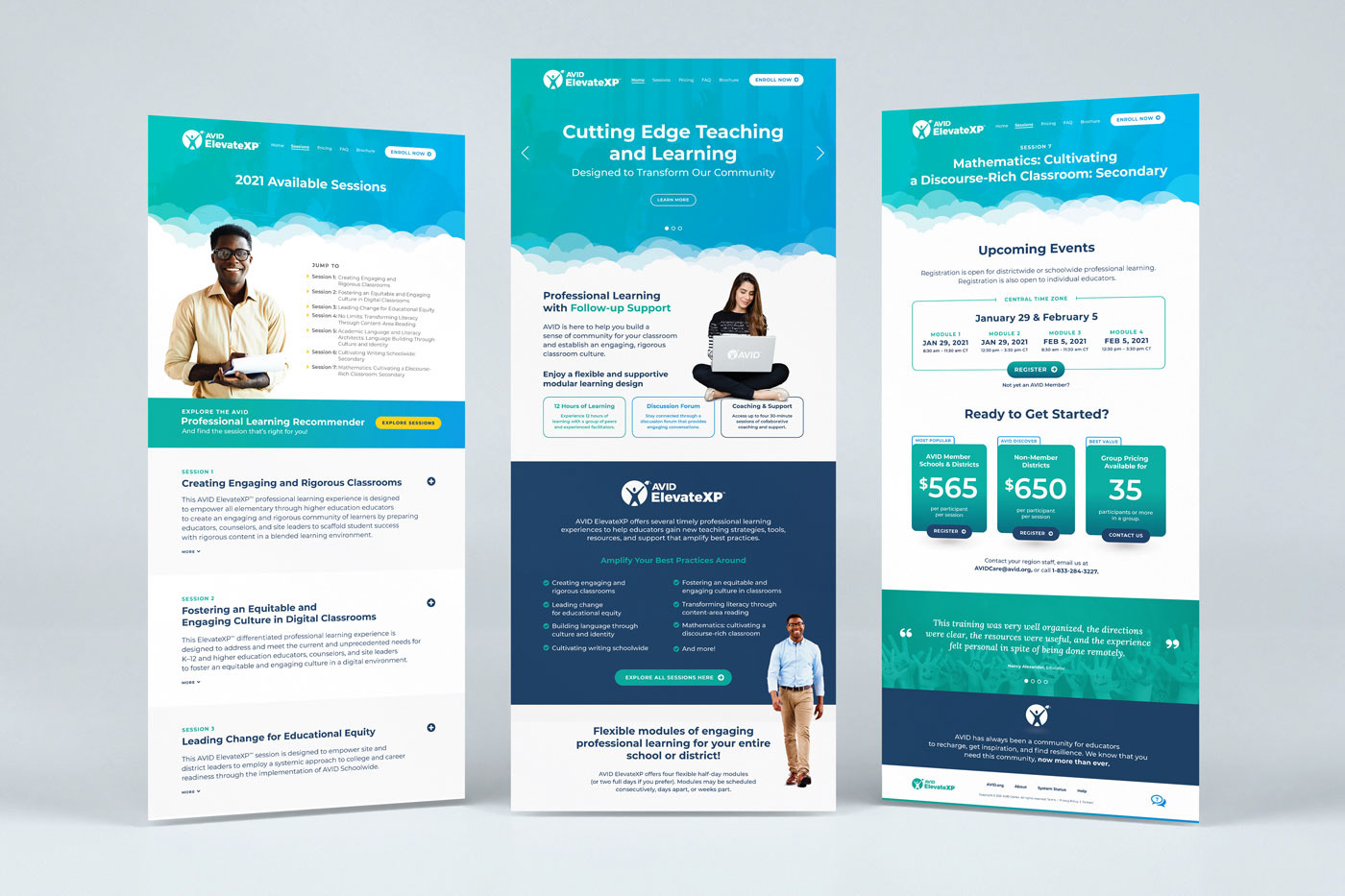
Running alongside the conference: two digital learning platforms relaunching simultaneously. ElevateXP and DigitalXP each needed to feel distinctly different from the other while remaining unmistakably AVID. That’s a brand architecture problem inside a single organization—two expressions of the same mission, differentiated enough to serve different audiences without fracturing the identity.
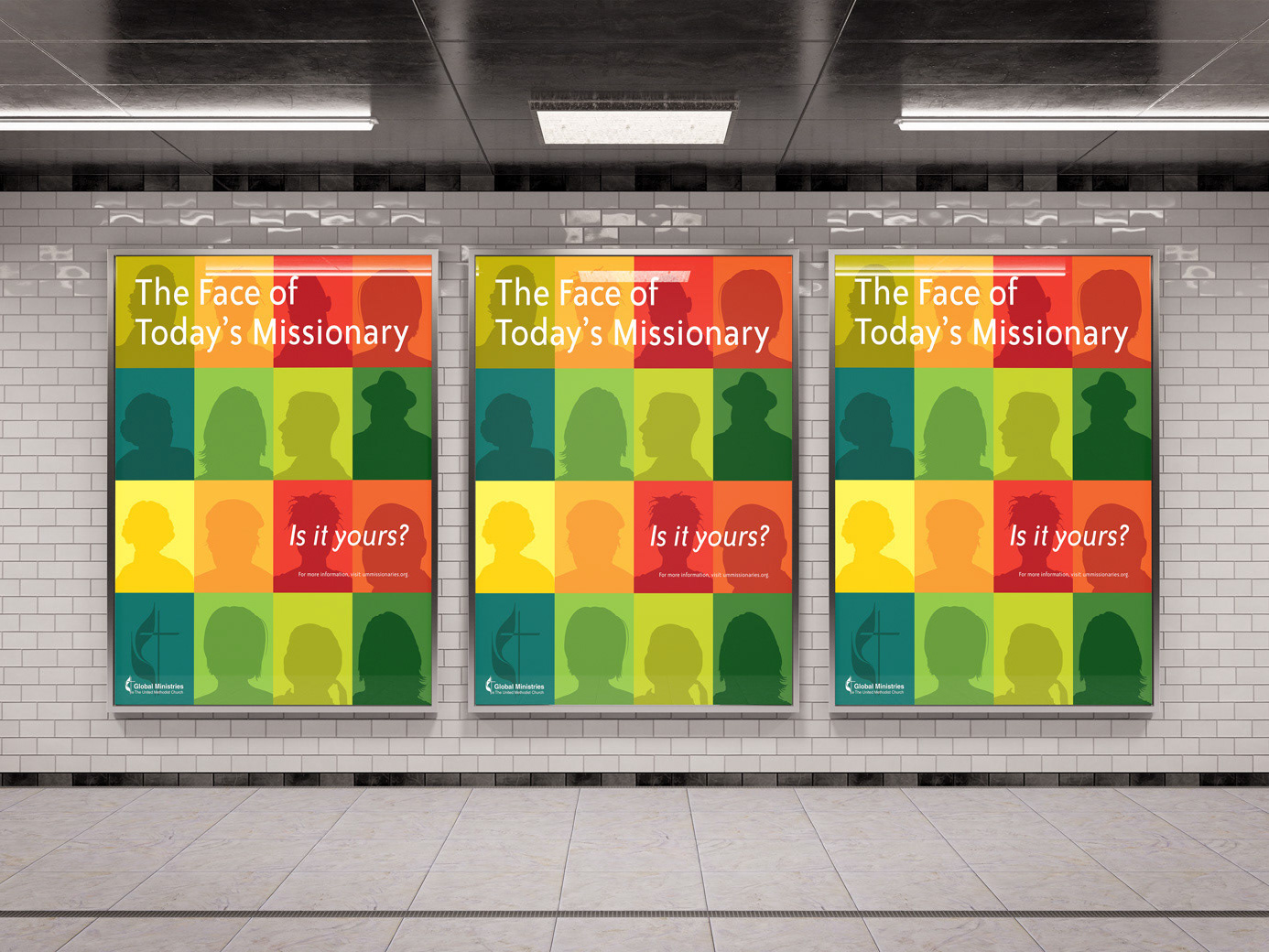
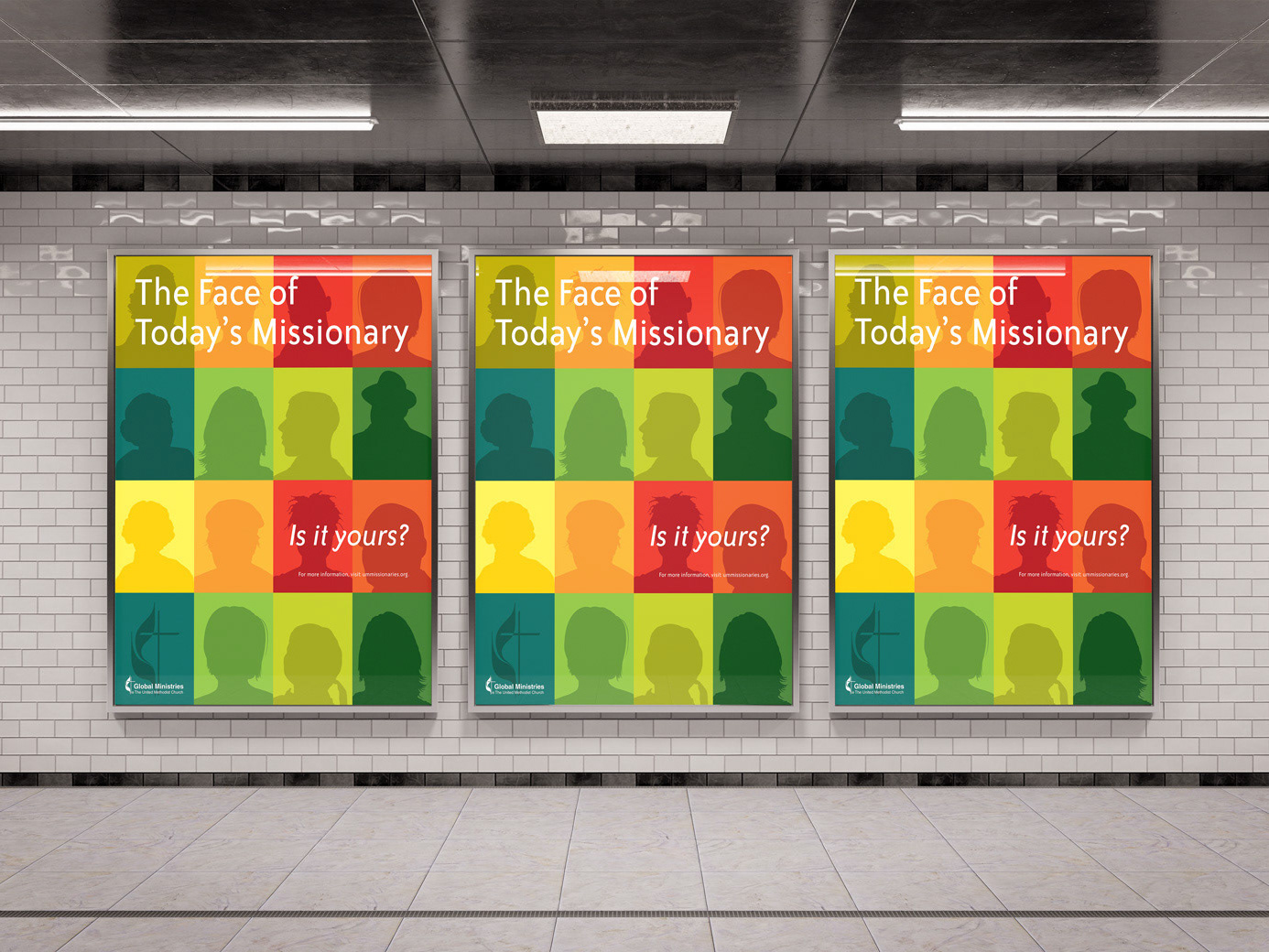
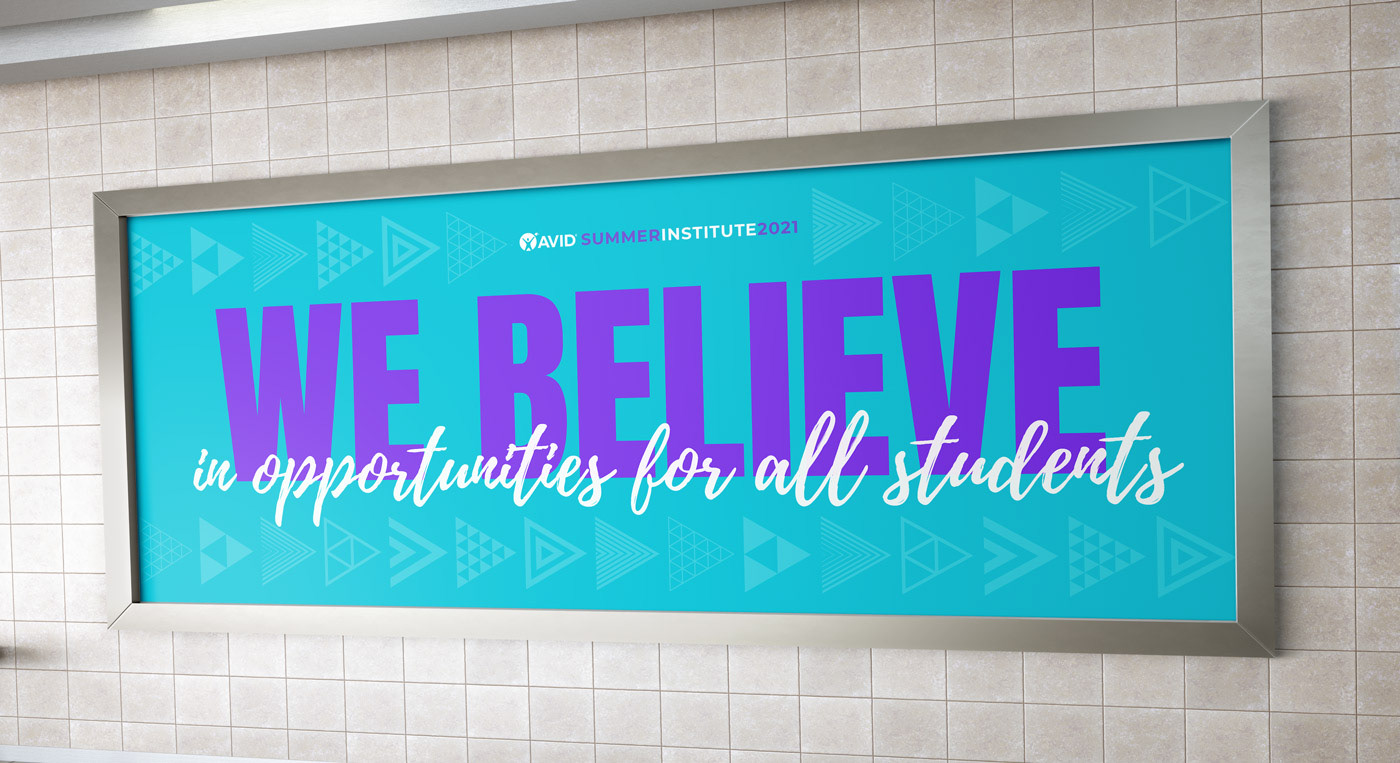
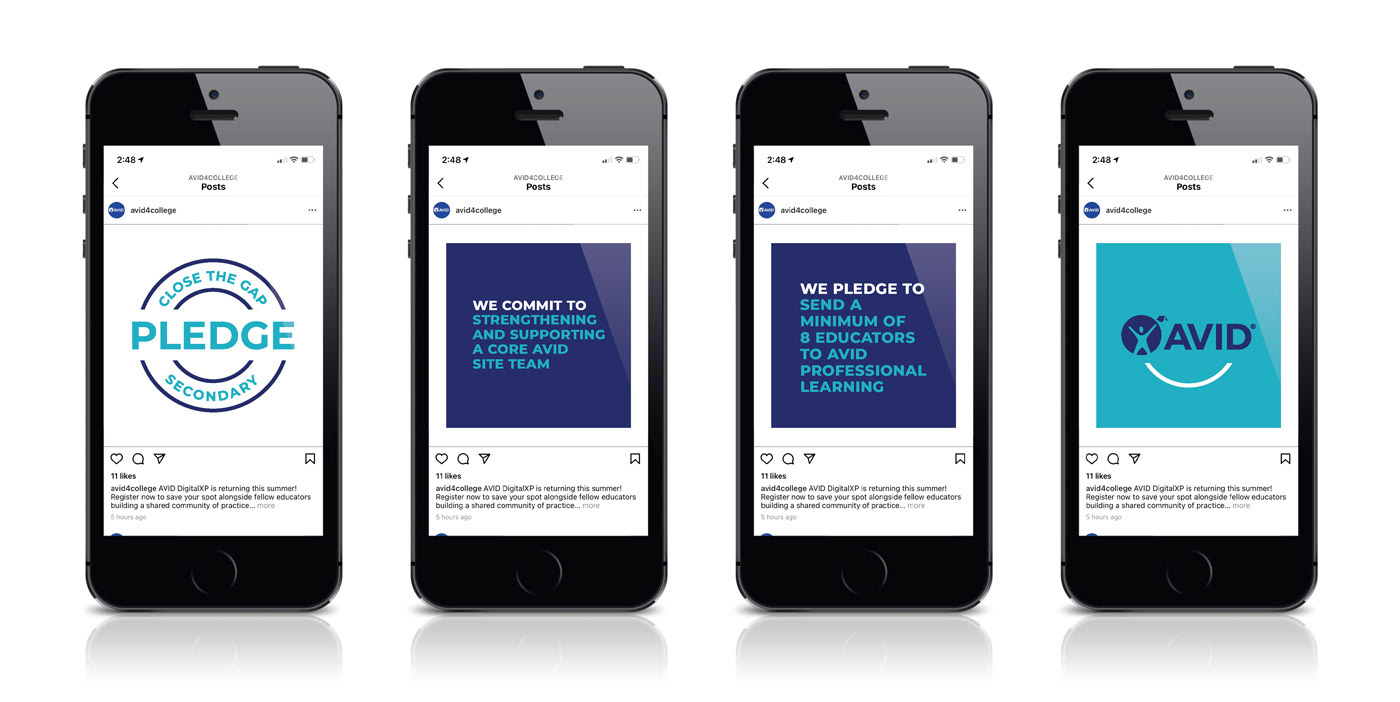
Campaign work ran in parallel. “Close the Gap” was a pledge platform for educators. “We Believe” carried the organization's values into the following season. Each had its own emotional register and each had to coexist with the others without competing.
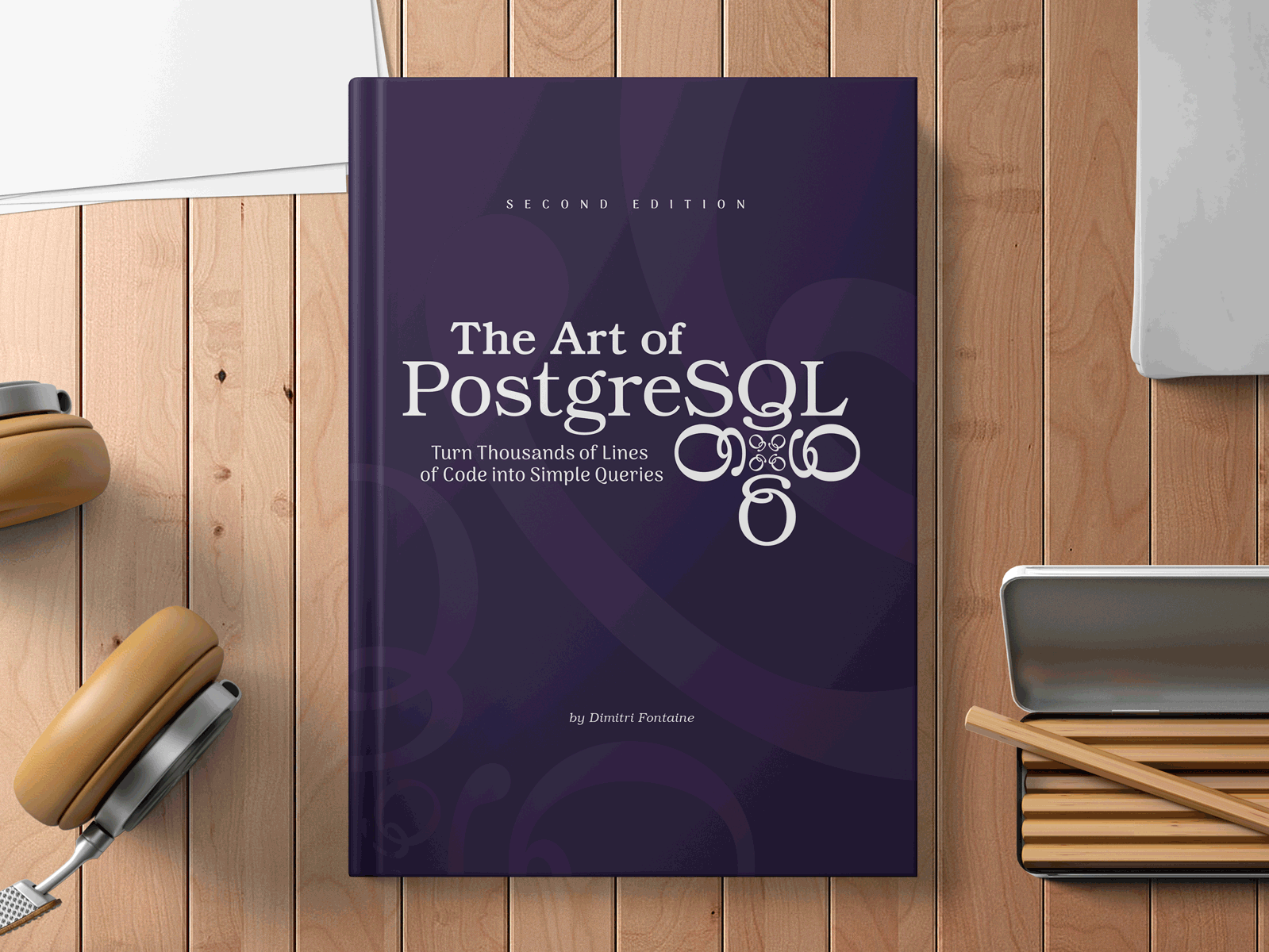
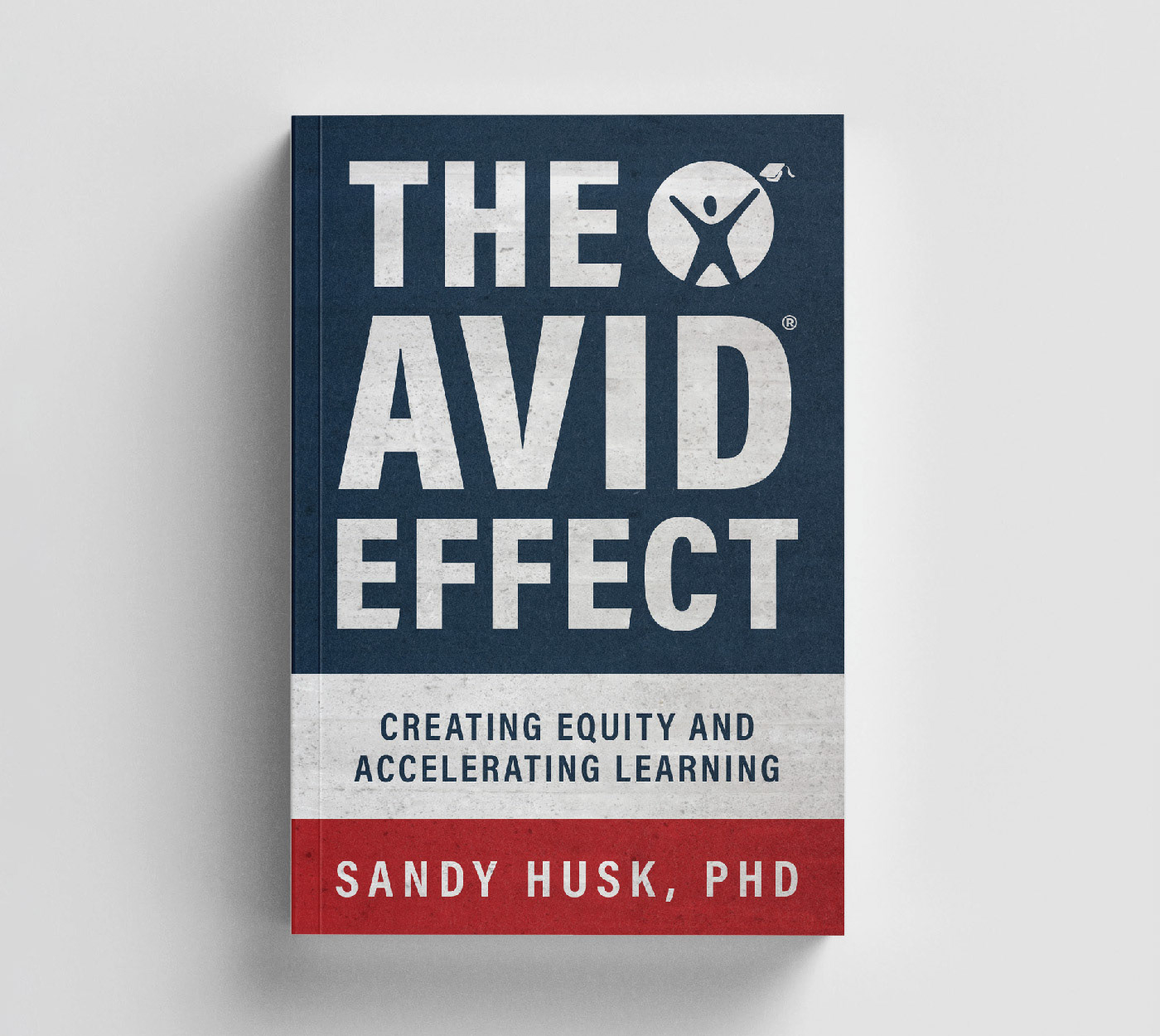
I designed the cover of their first book, “The AVID Effect,” a publication that formalized decades of institutional knowledge and gave the organization a new kind of artifact to put into the hands of funders and partners.
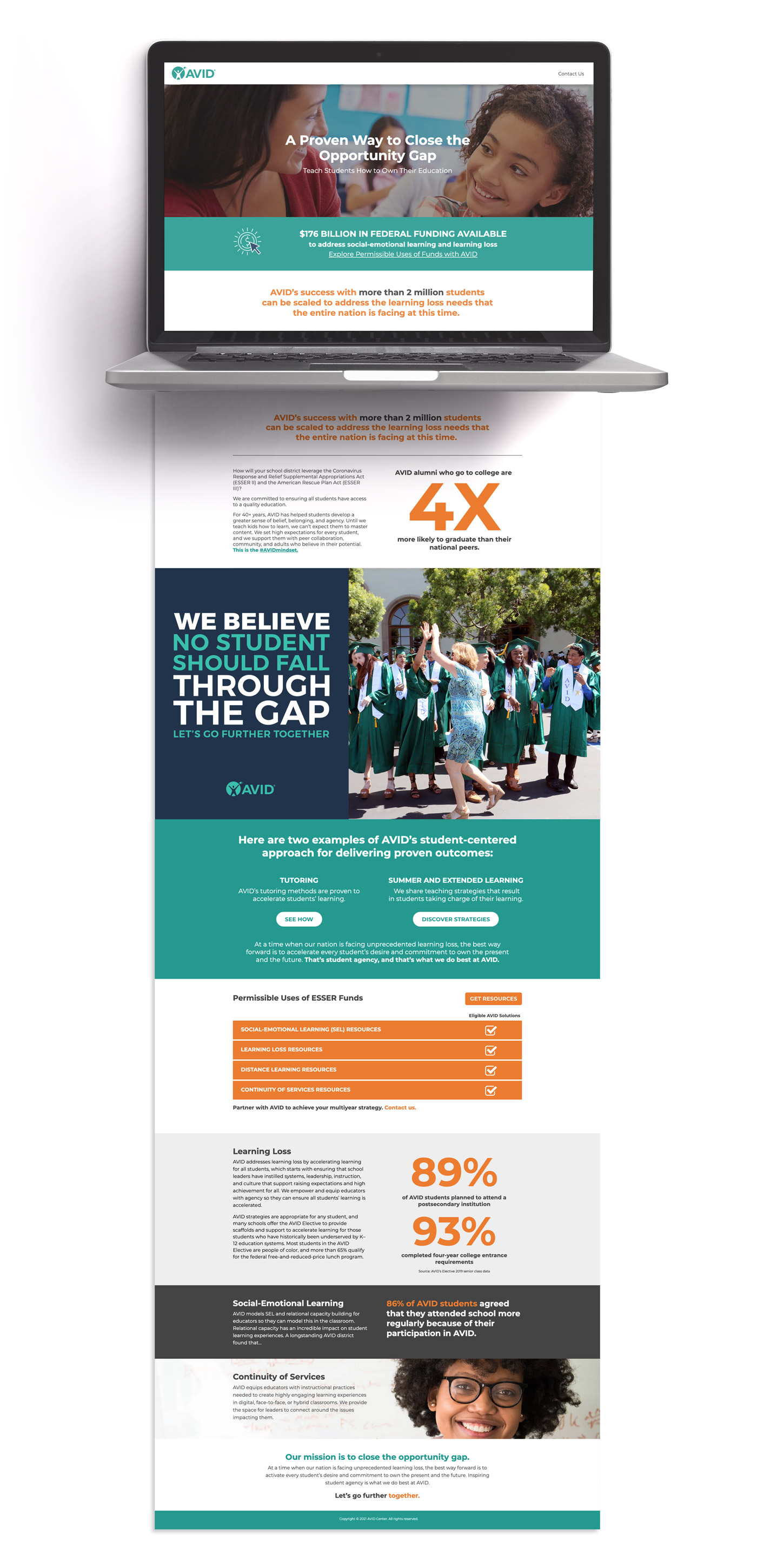
A social media editorial calendar, built with a small distributed team, replaced sporadic posting with consistent, on-brand engagement. A HubSpot landing page built specifically to support government funding applications helped make the case to funders in their language, with the evidence they needed, on a deadline that didn't move.
The Results
Annual funding increased by $15M, up 20% year-over-year (YOY), during a global pandemic that cancelled the organization’s primary event.
AVIDCon reached more than 85,000 educators and students across the country. Facebook reach exceeded 2.3M+ daily impressions, Instagram engagement increased by 67%, and LinkedIn followers grew by 23%.
AVID not only survived the disruption—it reached more people than it ever had before.
What It Taught Me
Crisis accelerates clarity.
When there’s no time to debate, you find out quickly what matters. The work that survived the pivot was rooted in something true: AVID’s mission, its community, the real relationship between the organization and the educators who trusted it.
The most important creative decisions weren’t visual. They were structural: what to include, what to cut, how to sequence an experience so that people felt the weight of what they were part of. And underneath all of it, a repositioning that gave the organization the language to ask for what it needed at the moment it needed it the most.
Design in service of something that matters is different from design in service of a brief. You feel the difference when you’re in it.