The Layer Nobody Owned
The Real Problem
I was brought in to reintegrate a group of twenty people that a prior reorg had moved out of Design without a clear replacement home: Design Systems, Content Ecosystem, Search, Navigation, Messaging, and Notifications. Everything used by all the businesses and owned by none of them.
The group’s name changed depending on who you asked, which tells you most of what you need to know. That wasn’t a failure of judgment so much as a structural one. Optum was organized vertically around its lines of business, and this work ran horizontally underneath all of them. There was no column on the org chart it belonged in, so it ended up in a holding pen, doing critical work nobody was accountable for.
These weren’t components. They were the floor. A person managing a prescription, a health savings account, and a care plan crossed all three businesses using systems that reported to none of them.
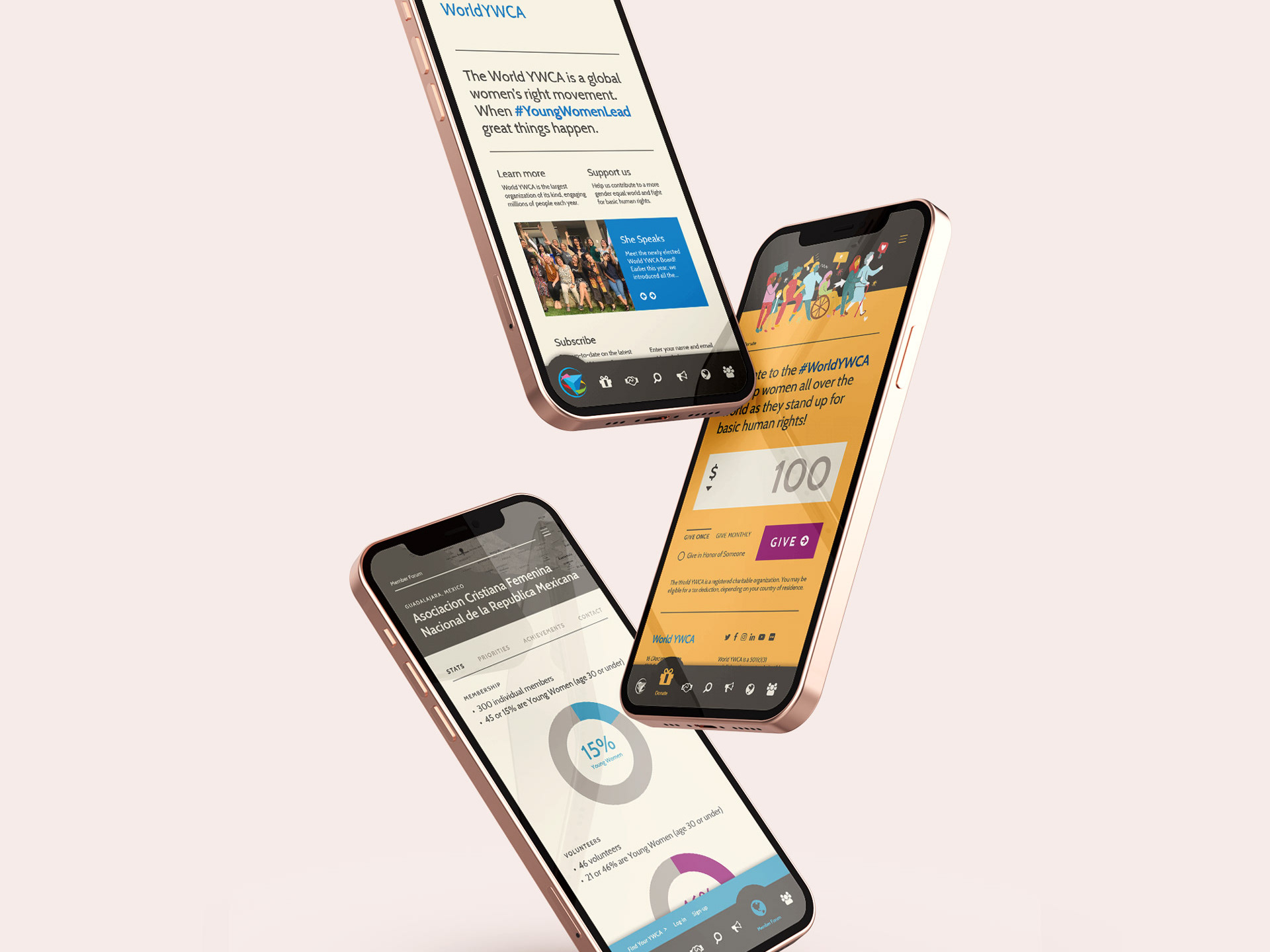
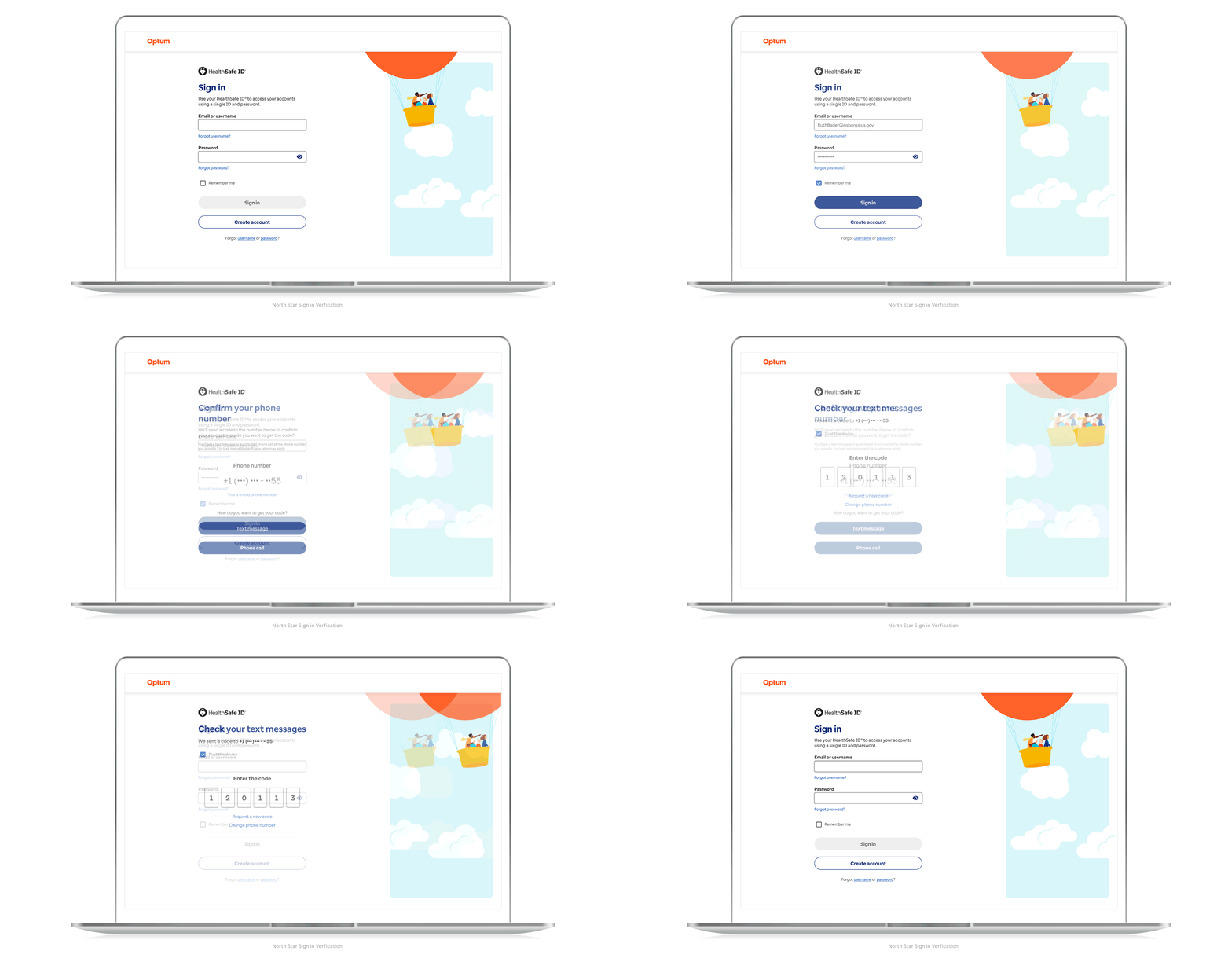
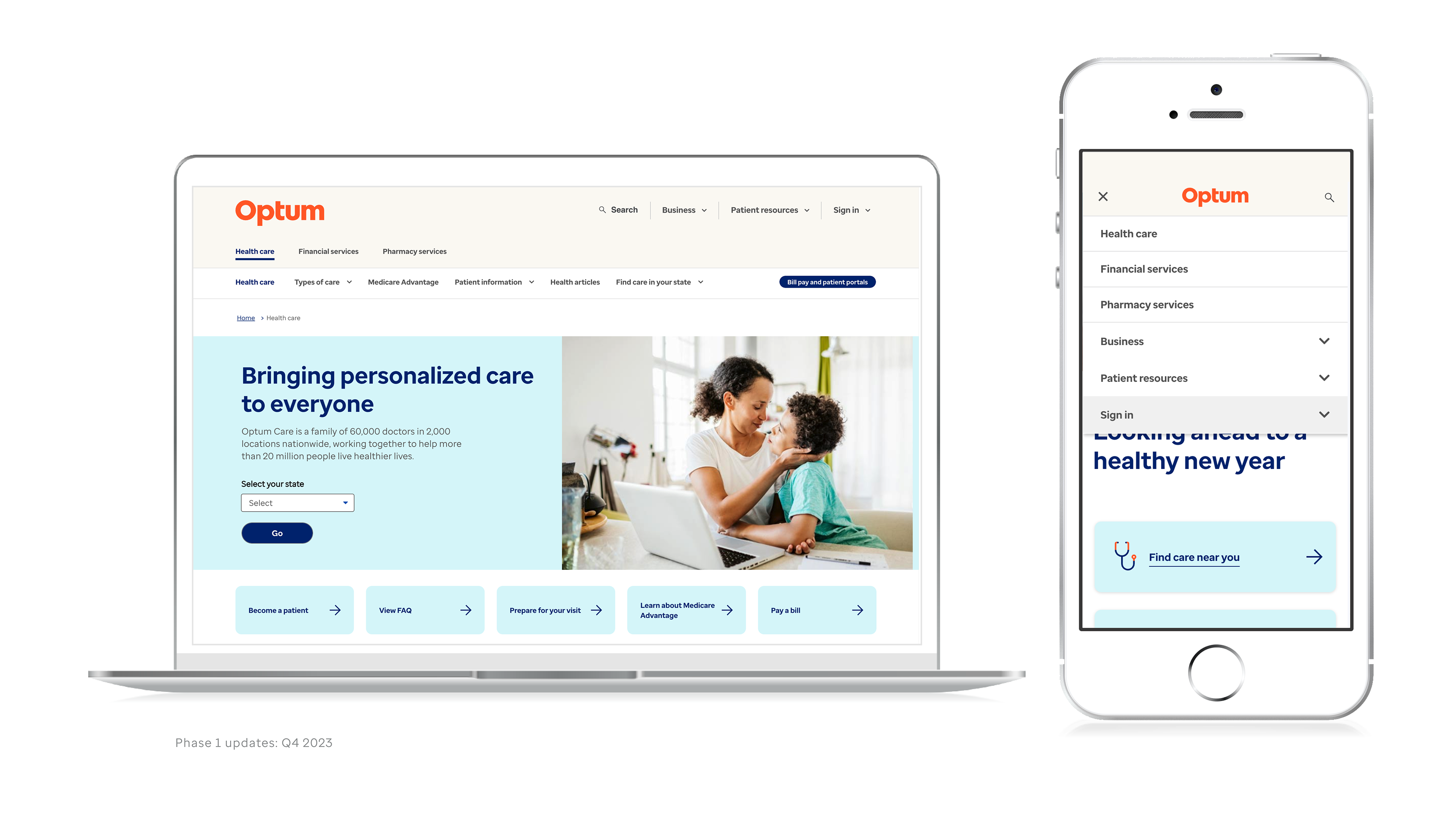
Within weeks of arriving, while I was still working on how to put the group back together, I was also asked to look at the header and footer on Optum.com to help with its ailing NPS score.
The Work
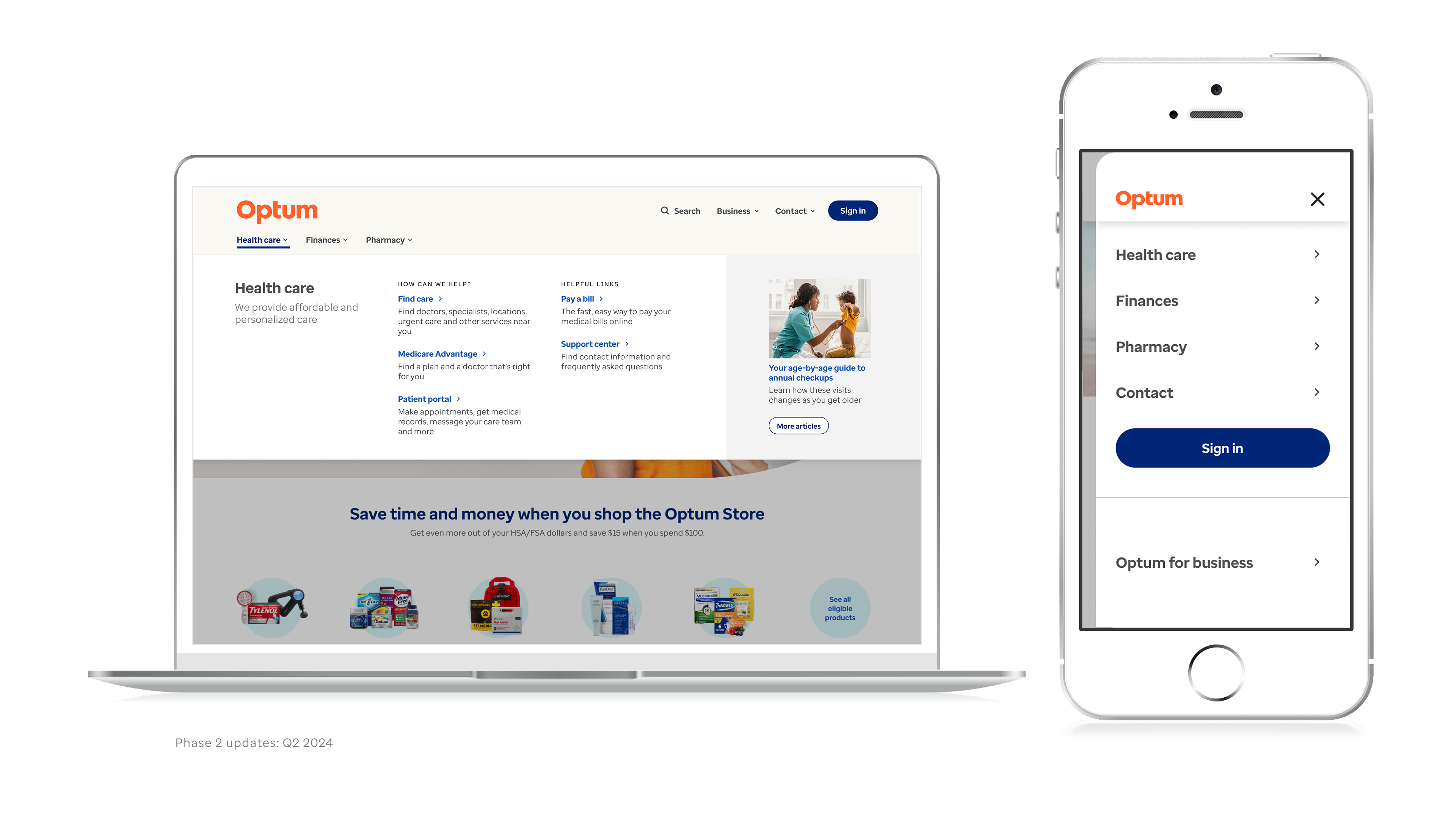
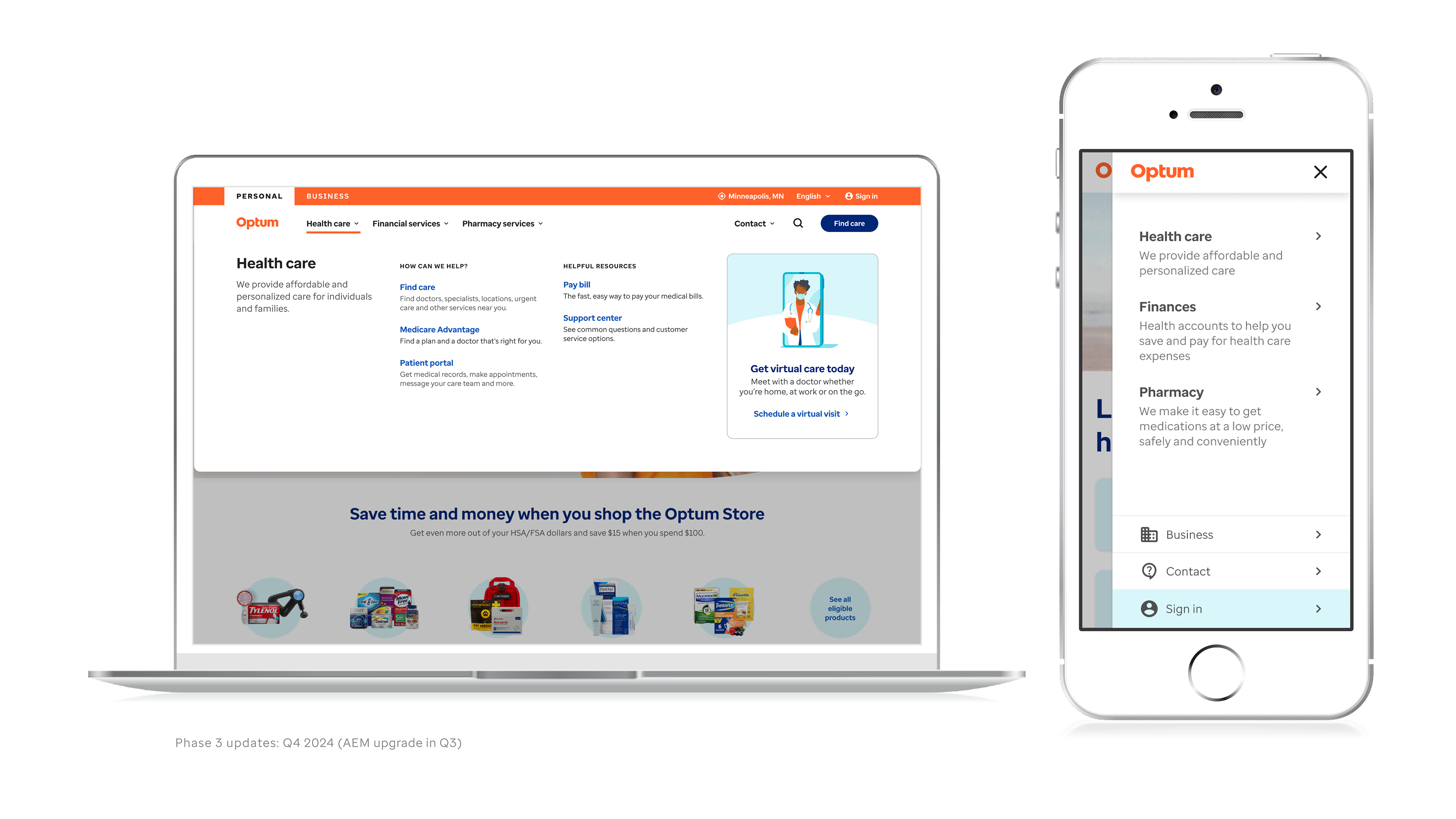
The header and footer are the global navigation layer. That request was the same problem as the org problem, showing up at the one place customers can see it.
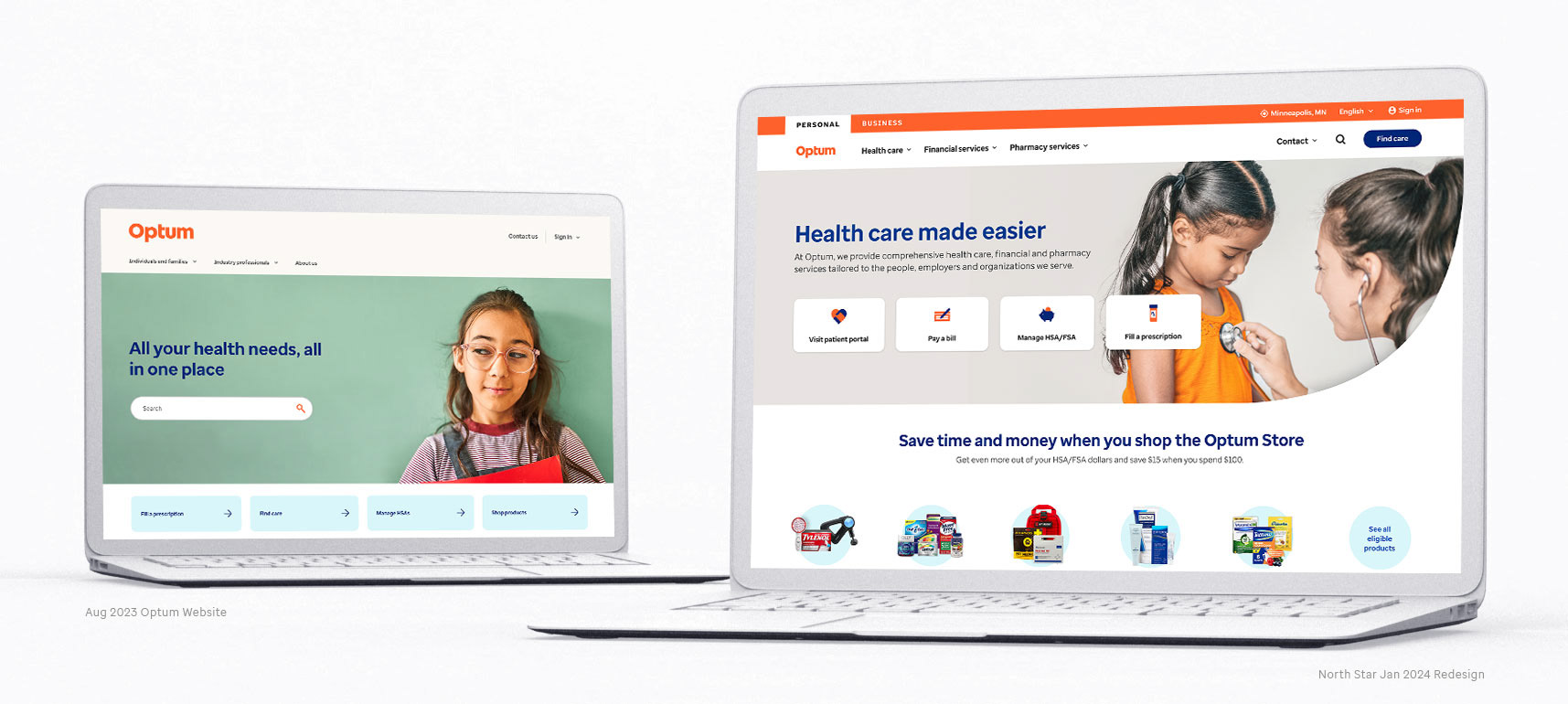
Optum.com was being built as one site for one audience, and it was serving two: patients and members making personal health decisions, and the employers, payers, and providers buying enterprise services. Those audiences arrive with different questions and measure success differently. No arrangement of a shared header was going to resolve that, because the conflict wasn’t in the navigation. It was in asking one website to be two.
Splitting it into separate B2C and B2B properties doubled the scope of work, but it also made the problem solvable because each side could finally be built around a single audience. It required a web design team that didn’t exist at Optum, which I built and staffed at the same time I was reintegrating the twenty people I’d inherited. There was no sequence to it. The two efforts had to hold each other up, because the website was the argument for why the horizontal layer needed an owner, and the horizontal layer was the only thing that could deliver the website.
Underneath both: eight design systems already in production across Optum and UnitedHealthcare, none of them wrong, but none of them speaking to each other. Leadership wanted a single shared design standard, one skin across everything. That would have meant at least eight teams rebuilding working production systems to satisfy a consistency goal no customer had asked for. What we built instead was an atomic standard deliberately simple enough to sit beneath all eight without forcing anyone to start over: shared primitives, not a shared skin.
The content ecosystem work in Adobe Experience Manager followed the same logic. We rebuilt the auto-tagging practice using large language models instead of individual edits, improving how systems could read and surface it. Five additional programs adopted it as a result.
The Results
NPS increased 58 points on the consumer site in under six months.
The atomic standard was adopted across both enterprises, flexible enough to support more than eight existing design systems without a rebuild. A web design team existed where none had before. Two audiences that had been competing for one architecture each had one built for them.
What It Taught Me
At enterprise scale, the design problem is almost always an ownership problem.
None of the eight design systems was wrong and none was underperforming. Every one of them was doing work the company depended on, in a structure that gave none of them the authority to make it cohere. The work that mattered most had the least clear claim on anyone’s attention, because it belonged to everyone.
The header and footer were never a small request—they were the only place a customer could see what the org chart had produced.